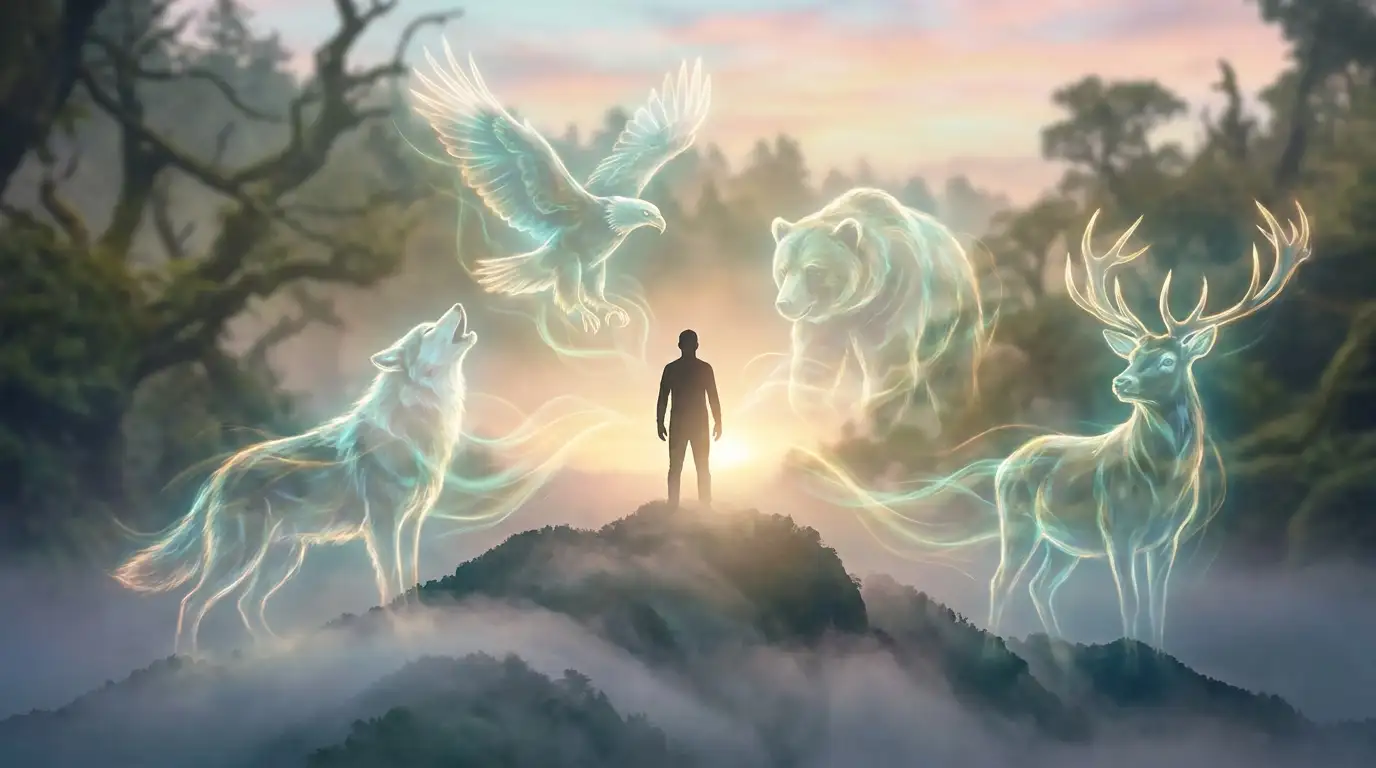
Theriomorphy and shape-shifting in the astral realm represent advanced shamanic practices where a practitioner assumes an animal form during non-physical travel. This metamorphosis occurs within the astral plane, utilizing the subtle body rather than the physical corpus. Practitioners engage in astral transformation to access specific instinctual capabilities, navigate complex spiritual topographies, or perform esoteric tasks. The process integrates astral projection with focused zoological visualization, allowing the human consciousness to operate through a non-human morphic template.
Conceptual Framework of Astral Transformation
The architecture of non-physical metamorphosis relies on the separation of consciousness from the physical body and its subsequent reconfiguration into an animal archetype. This framework differentiates between physical biological transmutation and non-physical energetic realities, emphasizing the manipulation of the subtle anatomy.
Theriomorphy and Shape-shifting
Theriomorphy denotes the state of possessing an animal form, while shape-shifting refers to the active process of transformation. In spiritual contexts, these concepts operate entirely through the malleable medium of the astral body. The practitioner aligns their energetic signature with the morphic resonance of a specific species. This alignment requires sustained mental focus and a comprehensive understanding of the target animal’s biomechanics, anatomy, and behavioral ecology.
Astral Projection and Mental Wandering
Astral projection functions as the primary vehicle for these esoteric transformations. During an out-of-body experience, the consciousness detaches from the physical vessel to traverse subtle dimensions. Mental wandering, a related but less immersive technique, involves projecting human awareness into distant locations without fully disengaging from the physical senses. Shamanic practitioners combine these disciplines to project an intentionally sculpted astral form, bypassing the default humanoid appearance typically assumed by the subtle body.
Cross-Cultural Manifestations of the Animal Double
Global shamanic traditions categorize the projecting animal consciousness through various ontological models, ranging from autonomous spirit companions to deliberate projections of the practitioner’s own soul. These cultural paradigms dictate how the animal form is acquired, utilized, and perceived by others in the spiritual environment.
The Fetch and Fylgja
Northern European traditions identify the animal double as a discrete but connected entity. The Norse fylgja acts as a tutelary spirit or an extension of the individual’s fate, appearing in animal form during dreams or visionary states. The fetch, originating in Anglo-Saxon and Celtic folklore, represents a similar spectral apparition. Both constructs serve as vehicles for the practitioner’s consciousness during non-physical journeys, allowing the shaman to gather information or interact with other spiritual entities.
Common characteristics of these animal doubles include:
- Inherent connection to the practitioner from birth or initiation
- Specific animal species corresponding to the individual temperament
- Ability to operate independently during physical sleep
- Vulnerability to spiritual attacks which reflect on the physical body
Lycanthropy and Skin-walking
Pathological and physical myths of transformation differ significantly from astral mechanics. Clinical lycanthropy is a psychiatric syndrome where an individual believes they can transform into a wolf, lacking any esoteric component. Conversely, astral lycanthropy involves the deliberate projection of a lupine astral body for specific spiritual operations. Skin-walking, deeply rooted in Navajo lore concerning the yee naaldlooshii, traditionally implies physical transformation utilizing animal pelts. However, in contemporary occult analysis, the term often describes the process of wearing an animal’s energetic skin within the astral realm to assume its attributes and evade detection.
| Transformation Type | Primary Medium | Cultural Origin | Objective |
|---|---|---|---|
| Astral Lycanthropy | Subtle body | Pan-European | Aggressive defense |
| Fylgja projection | Spiritual double | Nordic | Divination |
| Skin-walking | Energetic overlay | North American | Covert operation |
Mechanics of Taking Animal Form
The execution of astral shapeshifting requires precise energetic manipulation and profound cognitive restructuring. Practitioners must systematically alter their subtle anatomy, integrate foreign sensory input, and manage primal cognitive functions to stabilize the non-human form.
Energetic Merging
Taking animal form begins with the process of energetic merging. The shaman dissolves their default human astral matrix and constructs the geometry of the target animal. This reconstruction requires the practitioner to draw upon environmental energy or personal reserves to solidify the new astral construct. The merge synchronizes the human consciousness with the archetypal blueprint of the animal, allowing the subtle body to reflect the chosen morphological traits. If the practitioner fails to maintain this energetic lock, the astral body reverts to its default human shape.
Sensory Alteration
Assuming a non-human form triggers profound sensory alteration. The astral environment is perceived through the specialized senses of the chosen animal, such as enhanced olfactory input in a canine form or spectrum-shifted vision in an avian form. The consciousness processes new environmental data streams which the human brain cannot naturally interpret in the waking state.
Sensory shifts experienced during astral metamorphosis often involve:
- Expanded peripheral vision typical of prey animals
- Heightened auditory frequency reception
- Integration of echolocation capabilities
- Thermal detection mapping
Animal Instincts Integration
Navigating altered sensory inputs requires the seamless integration of animal instincts. The practitioner must balance human reasoning with the primal urges inherent to the morphic template. Total capitulation to these instincts risks prolonged entrapment within the animal mindset, a psychological condition many indigenous traditions actively warn against. The human consciousness must maintain a localized anchor, observing the animal instincts without becoming entirely subjugated by them.
Operations Within the Astral Environment
Once the animal form is stabilized, the practitioner can engage in specialized tasks across the subtle dimensions. The chosen zoological shape dictates the strategies employed for navigation, defense, and interaction with other non-physical entities.
Dream Walking and Spiritual Camouflage
Dream walking allows the shapeshifter to enter and observe the dreams of others. Approaching a sleeping individual in an animal form reduces the likelihood of triggering their subconscious defense mechanisms. The animal shape acts as spiritual camouflage, blending the practitioner into the natural psychic background. A bird or small mammal form attracts less attention from hostile astral entities than a human energetic signature. This camouflage remains essential for intelligence gathering, locating lost soul fragments, and undetected traversal of volatile astral territories.
Astral Combat
Conflict within the subtle dimensions frequently necessitates astral combat. When facing predatory spirits or hostile practitioners, shifting into an apex predator provides significant tactical advantages. The animal form generates astral weaponry, such as energetic claws, teeth, or venom, which interact destructively with the subtle bodies of opponents. Combat in this state relies heavily on integrated reflexes, bypassing the slower cognitive processing of human martial strategy. Practitioners engage in these altercations to defend spiritual territories, sever parasitic energetic cords, or protect the physical bodies of their community members.
| Animal Form | Combat Advantage | Primary Function |
|---|---|---|
| Bear | Kinetic astral mass | Defensive anchoring |
| Wolf | Coordinated pack tactics | Offensive maneuvering |
| Eagle | Vertical superiority | Long-range observation |
| Serpent | Evasive fluidity | Binding operations |