Neo-shamanism encompasses the modern adaptation, psychological reinterpretation, and cultural integration of indigenous spiritual methodologies by contemporary practitioners. Emerging primarily in the late 20th century, this movement extracts the mechanics of shamanic journeying and trance states from their original tribal contexts to create universal systems of personal development. Modern shamanism serves diverse populations across the Western world, providing individuals with techniques to address spiritual disconnection, psychological trauma, and physical ailments through direct interaction with perceived spiritual realities.
Fundamentals of Neo-Shamanism
The fundamentals of neo-shamanism involve the extraction, synthesis, and standardization of traditional animistic rituals into accessible Western frameworks. Practitioners identify cross-cultural similarities in ancient methodologies to establish foundational techniques that require no specific ethnic lineage or geographical connection. This systematic approach facilitated the democratization of shamanism and the widespread adoption of cross-cultural magic.
Core Shamanism and the Democratization of Practice
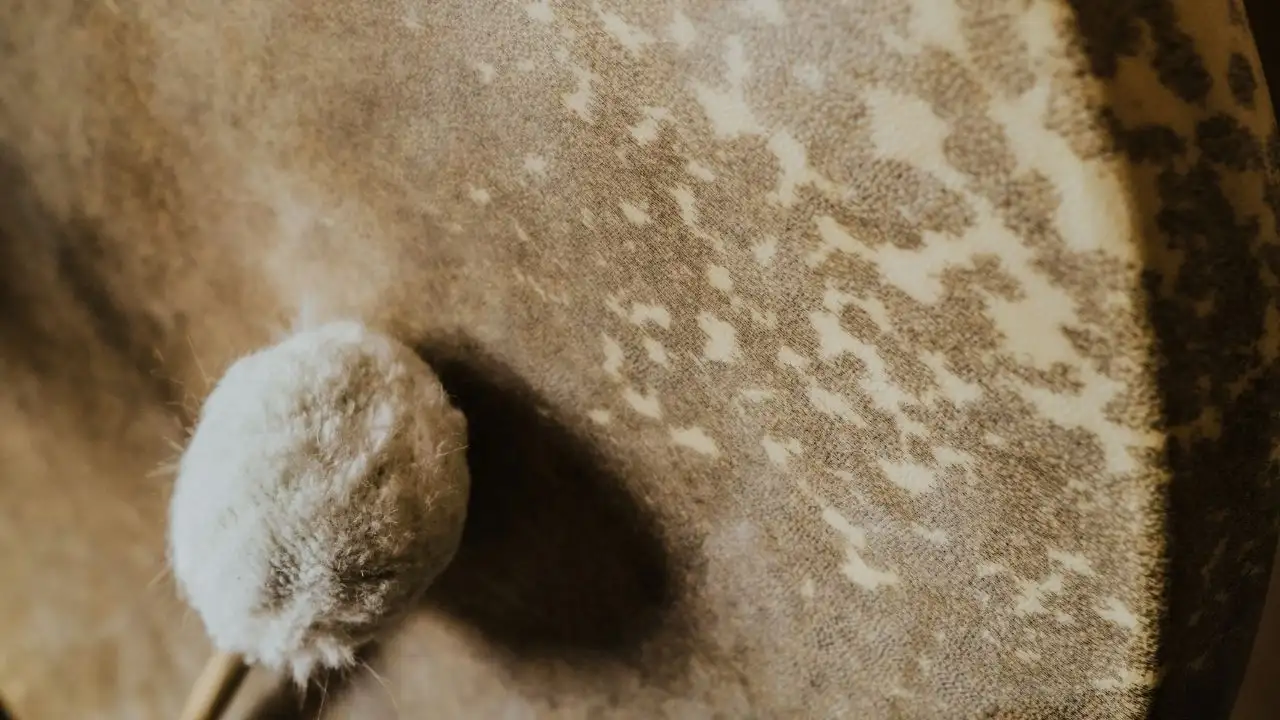
Core shamanism constitutes the primary structural foundation of the modern shamanic movement, developed extensively by anthropologist Michael Harner during the 1970s. Harner analyzed global indigenous cultures, from the Amazon basin to Siberia, to isolate the fundamental mechanisms of the shamanic state of consciousness. He determined that rhythmic percussion reliably alters human brainwave patterns, moving the mind from beta states into theta states. This physiological shift enables the practitioner to experience vivid visionary encounters.
The democratization of shamanism occurred rapidly as a direct result of these standardized, culturally stripped techniques. Historically, tribal communities restricted shamanic roles to individuals selected by hereditary transmission or severe initiatory illnesses. The modern framework removed these barriers, positing that any willing individual could learn the methodology. Workshops and instructional texts provided the public with explicit instructions on navigating the lower world and upper world.
Techniques associated with the core methodology include:
- Rhythmic sonic driving
- Autonomous spirit journeying
- Power animal retrieval
- Localized extraction healing
- Divination through non-ordinary reality
Western Shamanism and Cross-Cultural Magic
Western shamanism frequently operates as a highly individualized, eclectic spiritual path rather than an organized religion. Practitioners curate personal systems by combining core techniques with indigenous folklore, localized plant medicine traditions, and European esoteric concepts. This deliberate syncretism allows individuals to construct relevant, adaptable cosmologies that address their immediate environmental and personal realities.
Cross-cultural magic manifests heavily within these Western adaptations, as practitioners routinely borrow symbols, deities, and ritual structures from disparate traditions. A single practitioner might combine Andean energy clearing techniques with Celtic seasonal observances and Norse runic divination. While critics sometimes categorize this blending as cultural appropriation, adherents argue that the underlying spiritual mechanics remain universal and accessible to all human nervous systems.
Psychological Models and Therapeutic Shamanism
The psychological interpretation of shamanic phenomena forms a critical bridge between ancient mystical practices and modern clinical therapies. Practitioners and clinicians utilize a psychological model to reframe traditional spirit encounters as interactions with the deep subconscious, creating the specialized subfield of therapeutic shamanism. This perspective relies on paradigm shifting to make esoteric concepts medically and culturally acceptable.
The Shift Toward Internal Paradigms
Paradigm shifting within modern spiritual practices requires moving from an animistic, literal interpretation of spirits to an internal, metaphorical understanding. In this Westernized framework, the entities encountered during a visionary journey do not exist as autonomous beings in an objective spiritual dimension. Instead, they represent suppressed memories, internal conflicts, and innate psychological resources.
The psychological model draws heavily upon Jungian analytical psychology and the concept of the collective unconscious. Carl Jung developed a technique called active imagination, which requires the patient to enter a relaxed state and interact directly with internal archetypes. Modern practitioners recognize that active imagination and the traditional shamanic journey utilize identical cognitive mechanisms.
Integration with Modern Psychotherapy
Therapeutic shamanism explicitly integrates these visionary techniques into formal psychological counseling and trauma recovery. Clinical therapists utilize repetitive drumming or guided imagery to bypass the critical faculties of the conscious mind, allowing clients to access repressed emotional material safely. The practitioner frames the healing process using psychological terminology rather than spiritual vocabulary.
| Traditional Shamanic Diagnosis | Clinical Psychological Equivalent | Primary Therapeutic Goal |
|---|---|---|
| Soul loss | Severe emotional dissociation | Trauma integration |
| Spirit intrusion | Repressed psychological complex | Cognitive restructuring |
| Loss of power | Depressive states | Ego strengthening |
| Shamanic sickness | Spiritual emergency | Crisis stabilization |
Specialized Modern Branches
As the central techniques of neo-shamanism disseminated globally, practitioners developed specialized branches to navigate specific social, environmental, and technological environments. These modern iterations prove the methodological flexibility of the core practices. Subcultures quickly generated urban shamanism, techno-shamanism, and feminist shamanism to address contemporary challenges.
Urban and Techno-Shamanism
Urban shamanism abandons the requirement for pristine wilderness, positing that metropolitan infrastructure possesses its own valid spiritual ecosystem. Practitioners interact with the genius loci of subway systems, electrical grids, and abandoned industrial sites. They apply ancient concepts of environmental reciprocity to modern cityscapes, treating concrete and steel as energetic conductors.
Techno-shamanism explores the induction of trance states through advanced digital and electronic technology. Practitioners replace acoustic hide drums with synthesized electronic beats, often participating in expansive rave cultures and trance music festivals. They utilize stroboscopic lights, biofeedback devices, and virtual reality to hack the human sensory system and replicate traditional visionary states.
Common technological tools utilized for trance induction include:
- Isochronic tones
- Subwoofer acoustic resonance
- Digital biofeedback monitors
- Electroencephalography headsets
- Stroboscopic visual entrainment
Feminist Shamanism
Feminist shamanism originated during the second-wave feminist movement as a deliberate counter-narrative to patriarchal religious hierarchies. This branch focuses heavily on reclaiming the historical roles of female seers, herbalists, and ritual leaders. It intersects frequently with Dianic Wicca and broader goddess spirituality movements.
Practitioners of this branch emphasize somatic awareness, cyclical bodily rhythms, and cooperative circle structures rather than hierarchical priesthoods. The movement actively dismantles the patriarchal paradigms embedded in classical Western esoteric traditions. Tools such as the Motherpeace tarot deck exemplify the fusion of divination, feminist theory, and indigenous artistic motifs.
Contemporary Animism and Occult Syncretism
The resurgence of shamanic techniques catalyzed a broader societal interest in contemporary animism and heavily influenced modern occultism. This ideological shift encourages a participatory relationship with the physical environment and the integration of everyday magic into mundane routines. Modern practitioners view the physical world as a saturated, living matrix rather than inert matter.
Contemporary Animism
Contemporary animism recognizes spiritual agency, personhood, and consciousness within non-human entities, including flora, fauna, waterways, and geological formations. Unlike traditional belief systems bound to specific ancestral territories, modern animists attempt to forge new relational bonds with the local ecosystems they inhabit. They reject anthropocentric exploitation, focusing instead on ecological reciprocity and bioregionalism.
Everyday Magic and Modern Occultism
Modern occultism systematically incorporated core shamanic techniques to enhance established ceremonial magic protocols. Ceremonial magicians utilize rhythmic trance to facilitate astral projection, evoke planetary intelligences, or interact with elemental forces. The barrier between structured high magic and fluid shamanic journeying has largely dissolved within chaos magic circles.
Everyday magic grounds these high-concept occult philosophies into practical, domestic reality. Individuals apply shamanic intention to mundane tasks, transforming them into micro-rituals. This practice involves energetically cleansing domestic spaces, communicating with house plants, and setting psychic boundaries before navigating public environments, effectively maintaining continuous spiritual hygiene.