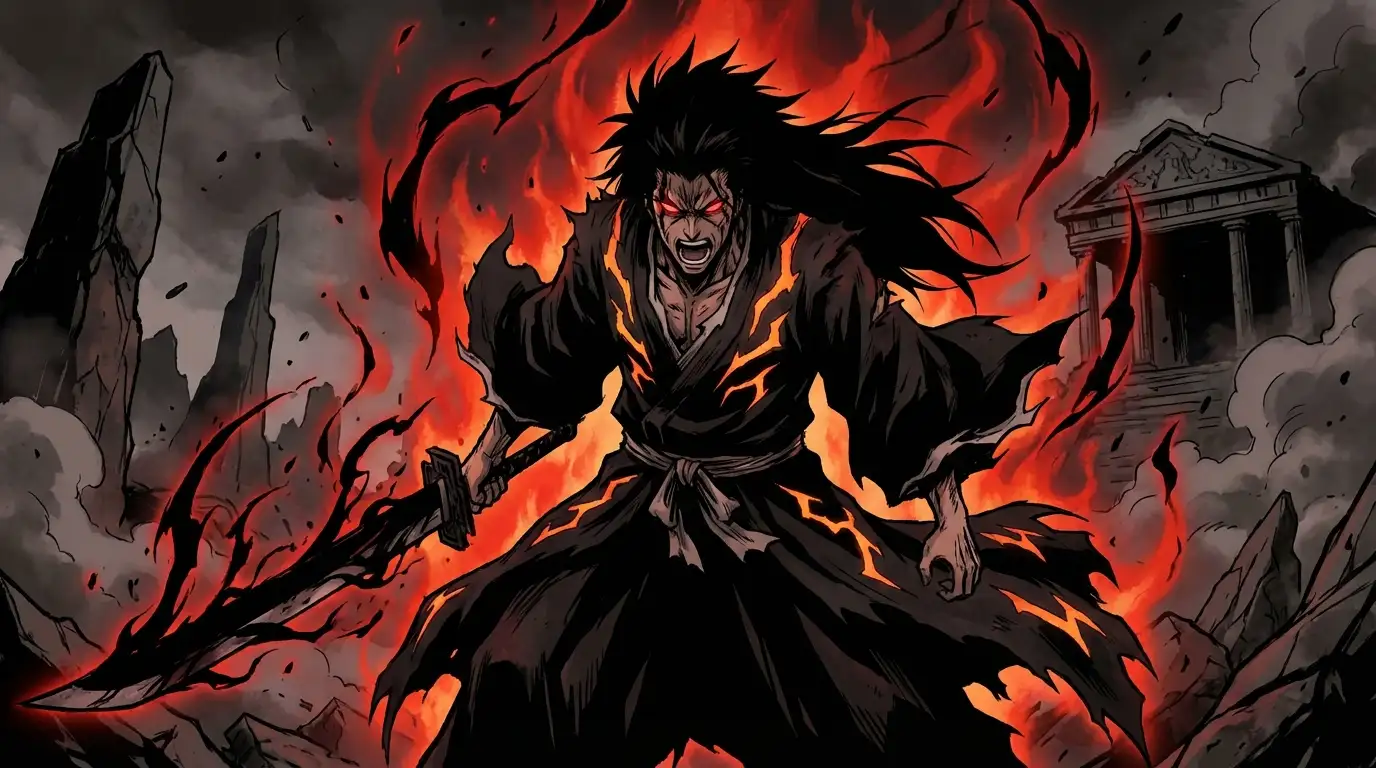
Chaos Magick postulates that belief functions as a pragmatic utility rather than a spiritual endpoint. The practitioner exploits available cultural symbols to modulate consciousness and reality, disregarding the historical validity of the symbol. This article details the operative mechanics of utilizing pop culture entities—from Yamamoto Genryusai to Kratos—as high-density thoughtforms that can be utilized in magickal endeavors precisely the same way mythos and folklore are.
Theoretical Framework of Pop Culture Magick
Pop culture entities serve as modern reservoirs of directed attention, effectively substituting traditional deities in the Chaos paradigm. The aggregate emotional investment of a fandom charges these symbols, generating accessible energy currents for the magician to tap.
The Egregore Mechanism
The operative utility of fictional characters relies on the occult mechanics of the egregore and the tulpa. In traditional occultism, a spirit acquires agency through the sustained worship of a cult. Modern fandom replicates this energetic feeding process.
When millions of individuals focus visualization and emotion on a character like Zaraki Kenpachi, they nourish an autonomous thoughtform in the astral commons. The Chaos Mage treats this accumulated energy as a harvestable resource. Belief in the historical existence of the entity is irrelevant; acknowledgement of the energy residing within the symbol suffices.
Technological Gnosis
Screens and consoles function as modern scrying mirrors, facilitating high-fidelity visualization. Technological Gnosis manifests when media consumption shifts from passive entertainment to active ritual engagement.
Watching a specific anime arc or playing a video game functions as a hypersigil—an extended narrative ritual aligning the magician’s subconscious with a specific current. The visceral emotional response to a cinematic climax provides the requisite gnosis to project a magickal intent.
Archetypal Precision
Modern icons often provide superior specificity compared to ancient godforms. Archangel Michael is a broad signifier, diluted by centuries of dogmatic variation and encompassing generic concepts of protection and solar energy.
In contrast, a character like Kuchiki Byakuya represents a refined, laser-focused frequency: aristocratic detachment, lethal precision, and aesthetic discipline. The modern symbol contains less semantic noise, facilitating a cleaner signal during operative work.
Operative Invocation: Channeling Fictional Attributes
Invocation entails the deliberate possession of the magician’s psyche by an external archetype to acquire specific skills or mindsets. Pop culture figures provide detailed psychological profiles that facilitate rapid and accurate identity shifting.
Martial Archetypes
Pop culture offers distinct flavors of the Mars archetype for surmounting physical or mental resistance. Kratos, specifically the Norse-era iteration from God of War, embodies the disciplined destroyer (although personally, I prefer working with the Greek-era Kratos). This archetype represents rage tempered by wisdom and paternal duty. Invoking Kratos aids in enduring physical hardship or conquering self-pity.
Conversely, Zaraki represents the unadulterated joy of conflict and the removal of subconscious limiters. Channeling this entity eliminates fear of pain and hesitation, creating berserk-like confidence suitable for competitive environments.
Intellectual Archetypes
For operations demanding emotional balance and cold logic, the captain of the 6th division of Gotei 13 serves as an ideal form. The invocation of Byakuya focuses on the suppression of impulsive emotion in favor of “noble duty” (giri) and tactical clarity.
His Bankai, Senbonzakura Kageyoshi, acts as a visualization framework for mental multitasking. The mage visualizes controlling thousands of distinct variables (blades) with a single will, a technique applicable to high-level project management or complex negotiation.
Abyssal Archetypes
Advanced practitioners utilize fragmented archetypes to deconstruct the ego and explore the Void. Iwamoto Kogan from Shigurui represents the intersection of absolute mastery and lucid madness.
He functions as a specific mask for the chaotic dispersion associated with Choronzon. Invoking such a “broken master” allows the mage to shatter rigid behavioral patterns and embrace their own chaotic potential. Strict banishing protocols are recommended to prevent psychological bleed.
Evocation and Guardian Servitors
Evocation establishes an externalized relationship where the entity acts as a separate agent for protection or task fulfillment. The detailed visual and auditory assets available for these characters enhance the density of the manifestation.
Guardian Summoning
Yamamoto Genryusai, the Captain-Commander from Bleach, serves as a premier guardian entity for astral defense. While traditional solar deities offer general protection, Yamamoto embodies scorched earth—the absolute incineration of threats.
His spiritual pressure (reiatsu) is conceptually heavy, ancient, and may even suppress the breathing of weaker individuals. Visualizing his flames engulfing the perimeter of a workspace creates a dense, impenetrable astral ward against parasitic entities.
Sonic Sigils
Music acts as a potent neuro-linguistic trigger for shifting consciousness. The OST (Original Soundtrack) associated with a character’s entrance functions as a sonic sigil.
Playing Yamamoto’s battle theme or Kratos’s ambient score while visualizing their presence initiates an immediate atmospheric shift. The auditory cue bypasses the critical faculty of the conscious mind, stimulating the emotional centers associated with the entity’s power.
Fetish Anchoring
The Chaos Mage utilizes high-fidelity figurines or digital storage media as spirit vessels. A detailed statue of Sephiroth or Yamamoto, when consecrated, becomes the focal point for the egregore.
The extreme attention to detail in these toys aids in vivid visualization. They provide a physical shell for the evoked energy to inhabit, anchoring the entity in physical reality more effectively than abstract sigils.
Neoshamanic Paradigms: The Jinchūriki Method
The Jinchūriki concept from Naruto modernizes shamanic invocation by replacing the power animals with the sealed beast. This paradigm focuses on containing and utilizing volatile energies within the magician’s energy body.
The Jinchūriki Model
While traditional shamanism may rely on merging with a totem, this method involves sealing a massive reserve of energy within one’s solar plexus or root chakra (or whatever other energy center/plexus one finds suitable). The entity acts as a battery.
The mage visualizes a tailed beast—a complex, often sentient energy construct—locked behind a seal. This serves as a container for energies dangerous to integrate fully into the personality yet too useful to discard.
Shadow Negotiation
This technique manages personal demons or shadow complexes. Instead of repressing a volatile emotion like rage or grief, the mage visualizes sealing it as a specific entity, such as the Nine-Tailed Fox (Kurama), behind a gate within the psyche.
The ritual involves visualizing the locking mechanism. This allows the mage to borrow the energy of the emotion in manageable doses, without being possessed by it, transforming a destructive subconscious drive into fuel for magickal operations.
Divination and Illumination
Magick involves receiving information and evolving the self through contact with external intelligence. Pop culture narratives provide complete systems for divination and long-term personal evolution.
Narrative Scrying
The source material functions as a divinatory tool, a form of bibliomancy or technomancy. The mage focuses on a query and randomly selects an episode of an anime or a chapter of a manga.
The plot points, dialogue, and archetypal themes encountered in that segment constitute the oracle’s answer. The synchronicity of the narrative provides insight into the magician’s current trajectory or necessary course of action.
Archetypal Absorption
Illumination refers to the long-term evolution of the self through godform assumption extended over time. By meditating on the narrative arc of a character like Itachi Uchiha, the mage absorbs lessons on sacrifice, perspective, and the consequences of duty.
The practitioner views their own life through the lens of the character’s philosophy. This process overwrites limiting beliefs with the fictional character’s transcendent traits and stoicism.
Gamified Enchantment
The gamer mindset allows for unique enchantment metaphors that overlay the user interface (UI) of a game onto physical reality.
Daily objects are “equipped” with specific stats derived from gaming mechanics. A gym bag is enchanted with the attributes of a stamina potion; a pen is charged with the accuracy of a sniper rifle. The mage views resources and tools as inventory items with programmable magickal properties.
Summary & Technical Addendum
Pop Culture Magick utilizes the egregore of collective fandom attention to access planetary forces through modern, semiotically precise containers—e.g., by tapping into the character Kratos to access a specific frequency of Mars without ancient religious baggage. Operative success relies on extracting specific semes (the smallest units of meaning, like [Ash] or [Rage]) rather than the entire narrative character, preventing the absorption of the entity’s canonical flaws.
Regarding magickal safety, standard protocols often dictate de-roling or devocation to prevent psychological bleed, where the fictional persona overrides the practitioner’s true will. However, advanced adepts may intentionally forgo banishing to sustain the godform assumption and permanently integrate the character’s traits. This technique offers powerful transformation but also carries the risk of identity fragmentation for the inexperienced; deliberate non-banishing requires absolute lucidity regarding where the ego ends and the construct begins.